DarijaVox

Discover the warmth of authentic Moroccan voices. Convert any text into natural, spoken Morroccan Darija. Press Play below
You can feel it already, can’t you ?
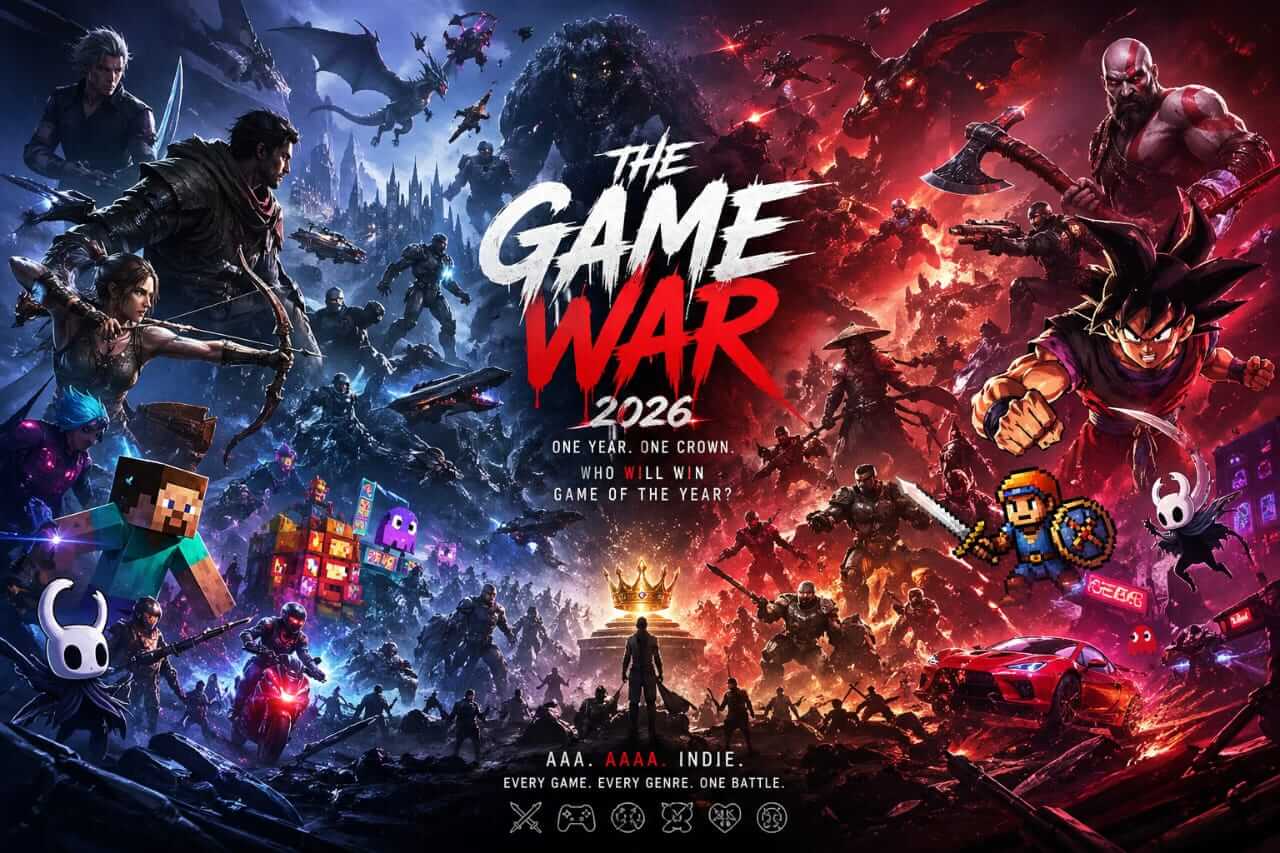
Clash of Titans Game War, boot up your PC, scroll through your feed, open your favorite store—something’s different this year. 2026 isn’t just another stacked release calendar. It’s a warzone. A full-scale collision between giants, underdogs, and ghosts of legends returning for one more fight.
This isn’t just about games anymore. It’s about dominance.
The Battlefield Is ⚔️ Bigger Than Ever :
We’re standing in a year where the line between AAA, “AAAA,” and indie has started to blur beyond recognition. Engines like Unreal Engine 5 are no longer just tools—they’re weapons. With Nanite geometry and Lumen lighting, developers are crafting worlds that don’t feel designed… they feel discovered.
Meanwhile, Unity is evolving, pushing real-time rendering and cross-platform performance harder than ever, especially for studios trying to punch above their weight.
And then there’s the tech layer—the invisible arms race :
- Ray Tracing redefining realism
- DLSS squeezing performance out of thin air
- Procedural generation, AI-assisted animation, photogrammetry…
You’re not just playing games anymore. You’re stepping into simulations of obsession.
The Heavy Hitters Enter the Arena :
Clash of Titans Game War, Look at the lineup. It’s absurd.
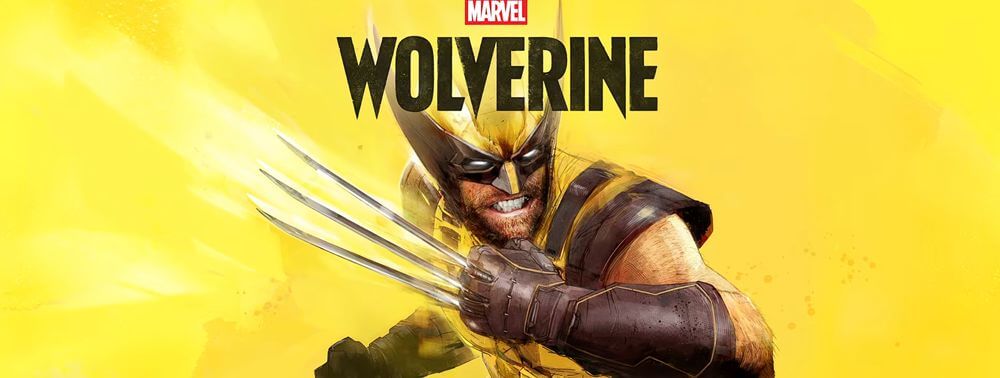
You’ve got Marvel’s Wolverine, carrying the raw brutality and narrative weight expected after Spider-Man’s dominance. You’ve got Marvel’s Blade, blending immersive sim DNA with vampire-hunting chaos.
- Then comes the return of legends:
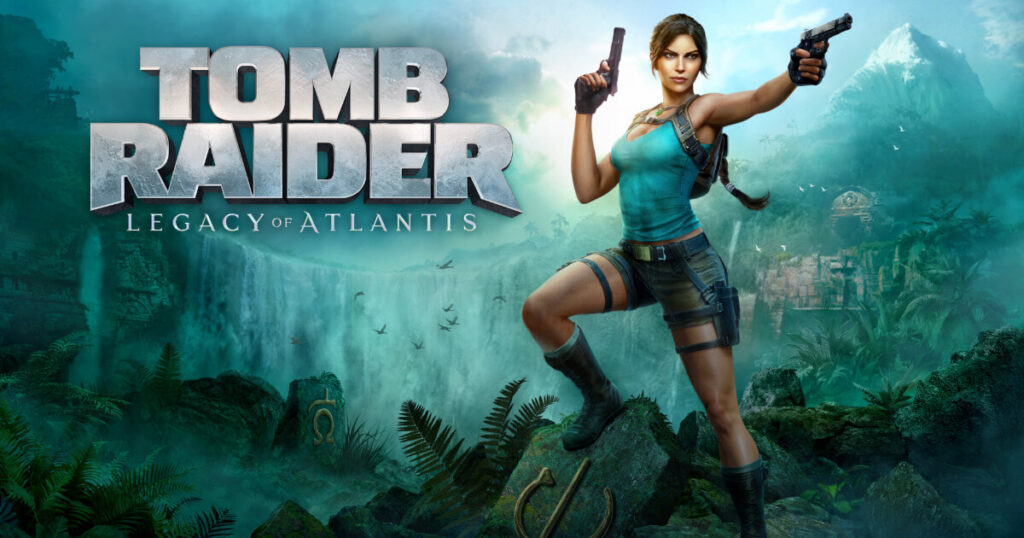
- Tomb raider legacy of atlantis — reboot energy meets legacy pressure
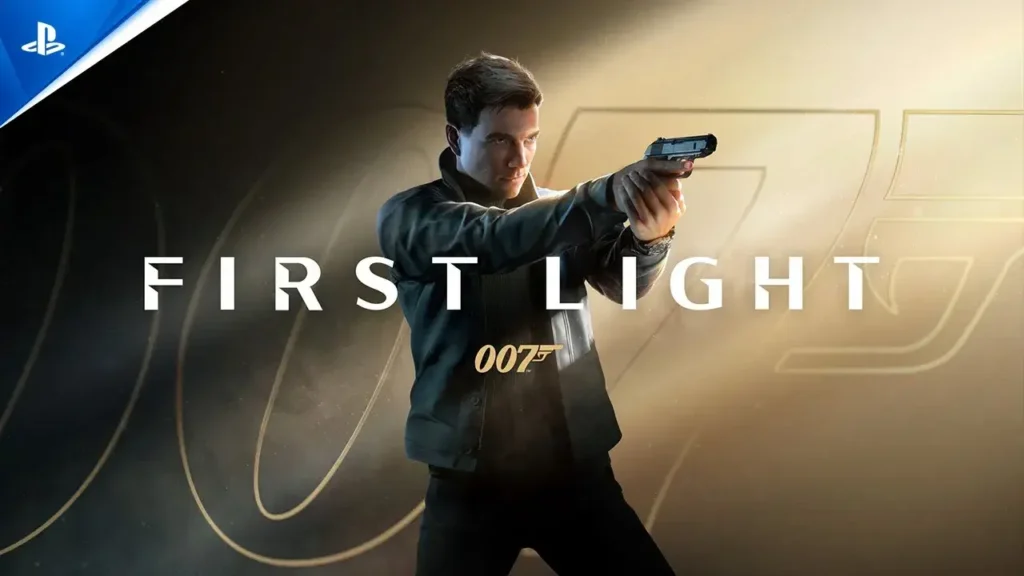
- 007 First Light reborn through a new AAA experience
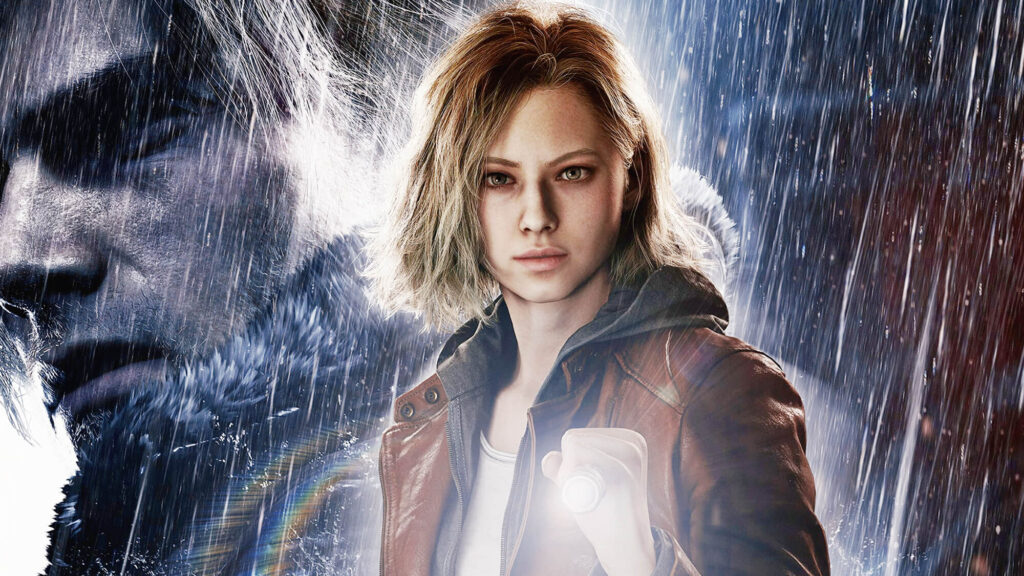
- Resident Evil 9 possibly evolving again with new experimental entries
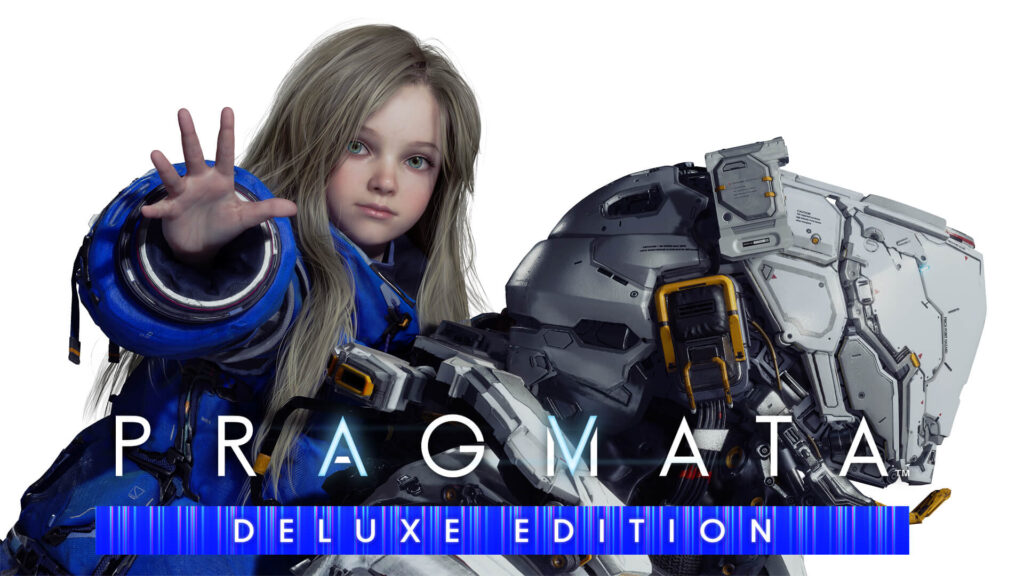
- Pragmata — mysterious, delayed, but still haunting the industry
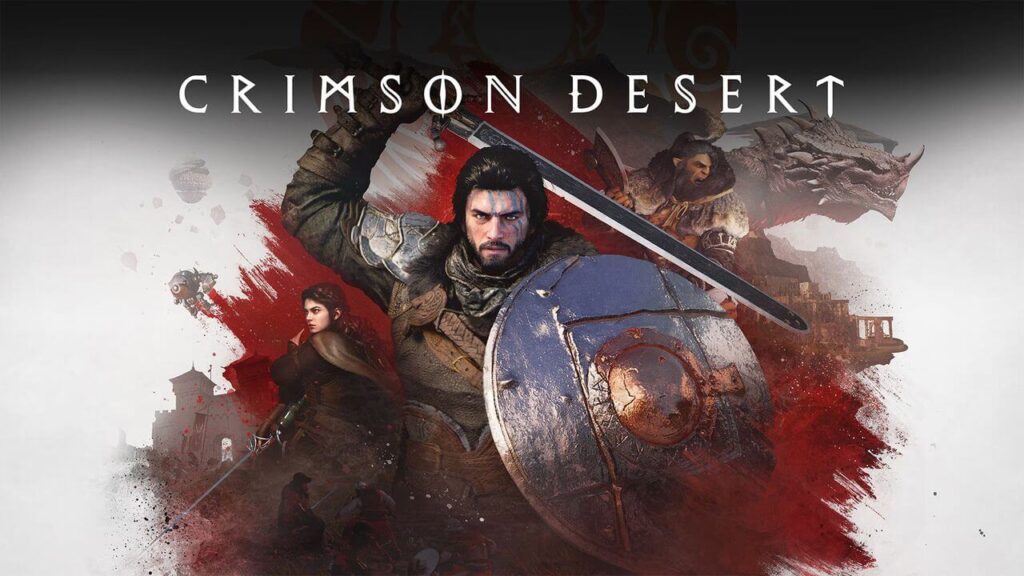
- Crimson Desert — visually insane, mechanically ambitious
These aren’t just games. They’re statements.
The Indie Invasion (That Doesn’t Feel Indie Anymore) :
Here’s where things get dangerous.
Indie studios aren’t playing the “small and creative” because, role anymore—they’re stepping into AAA territory with leaner teams but, sharper vision are the best. Powered by Unreal Engine 5 and so accessible tools, they’re delivering experiences that look like they cost $200 million… without actually needing it.
And players? They’re noticing.
You’ve probably seen it on forums, Reddit threads, Discord debates:
> “Why does this indie game look better than half the AAA lineup?”
That question alone is shaking the industry.
The Real War : Innovation vs Expectation :
This is where the battle gets psychological.
AAA studios are expected to deliver:
- Massive worlds
- Cinematic storytelling
- Flawless performance
But the higher the budget, the safer the design often becomes.
- Meanwhile, smaller teams are taking risks:
- Experimental mechanics
- Unconventional storytelling
Hybrid genres that shouldn’t work… but somehow do
So what wins in 2026? Is it polish… or passion?
The Game of the Year War :
Let’s be honest—this is what it all leads to.
Game of the Year isn’t just an award anymore validation, marketing power, legacy.
And this year? It’s unpredictable.
Will it be:
- Cinematic powerhouse like Wolverine?
- Technical marvel like Crimson Desert?
- Comeback legend like Tomb Raider?
- Or an indie masterpiece that came out of nowhere and stole everything?
You’ve seen it happen before.
So What Do You Think?
Because that’s the real question this year is asking you.
Not critics. Not studios. You.
You pick up that controller…
When you decide which world to invest 50+ hours into…
When you argue online about which game deserved the crown…
You’re part of the war.
Final Thought :
However, 2026 isn’t just a year of games.
It’s a turning point.
A year where technology, ambition, and creativity collide so hard that the industry might not look the same after it’s over.
So the question isn’t just:
“Which game will win?”
It’s:
“What kind of games do we want to win?”
10 NEW Games