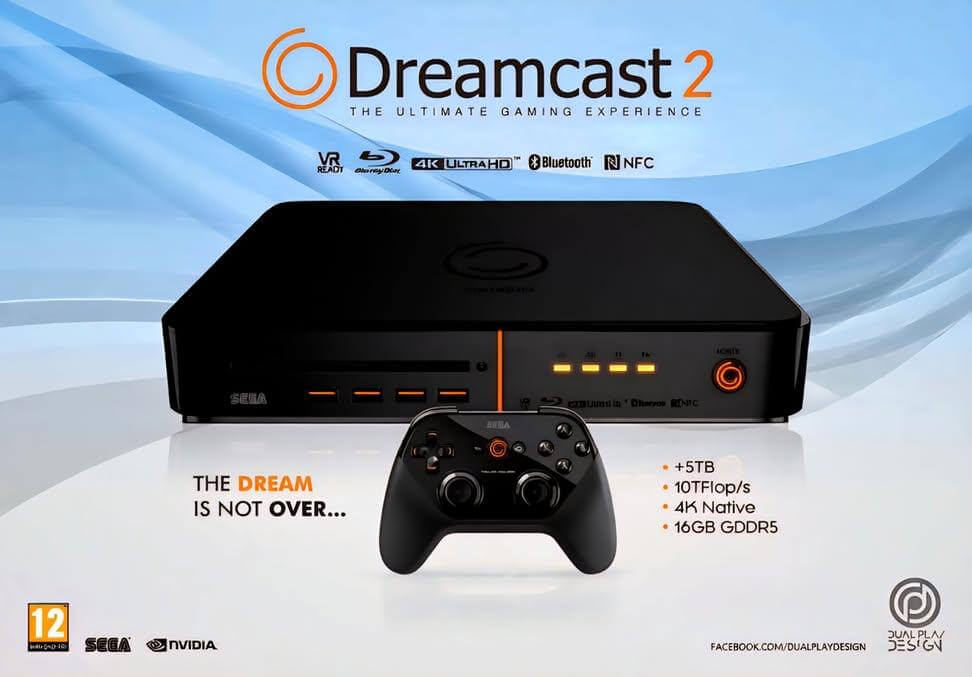
A fan-made project that’s getting people talking: “Project Dream” :
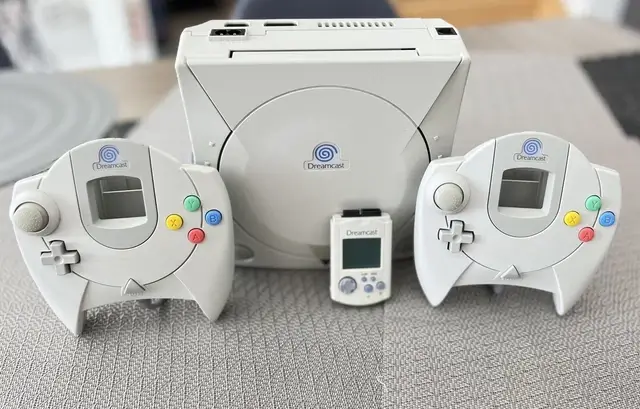
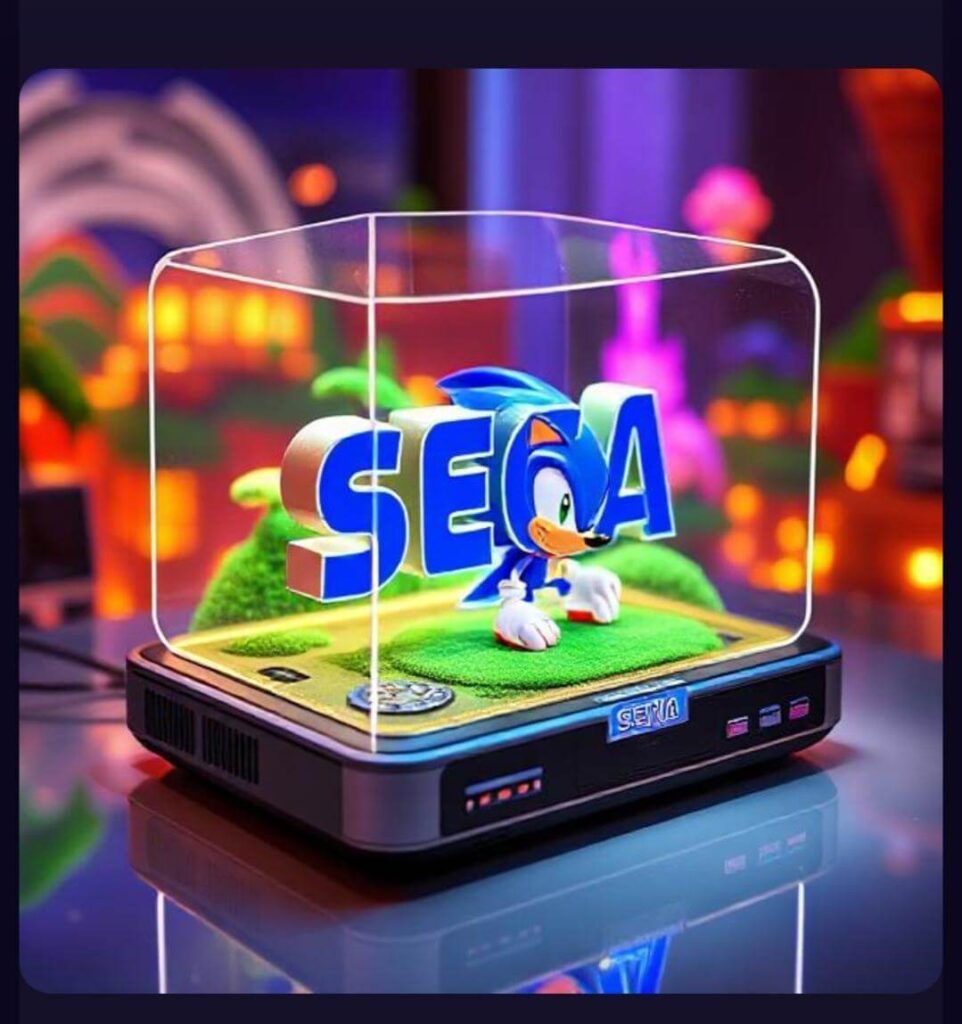
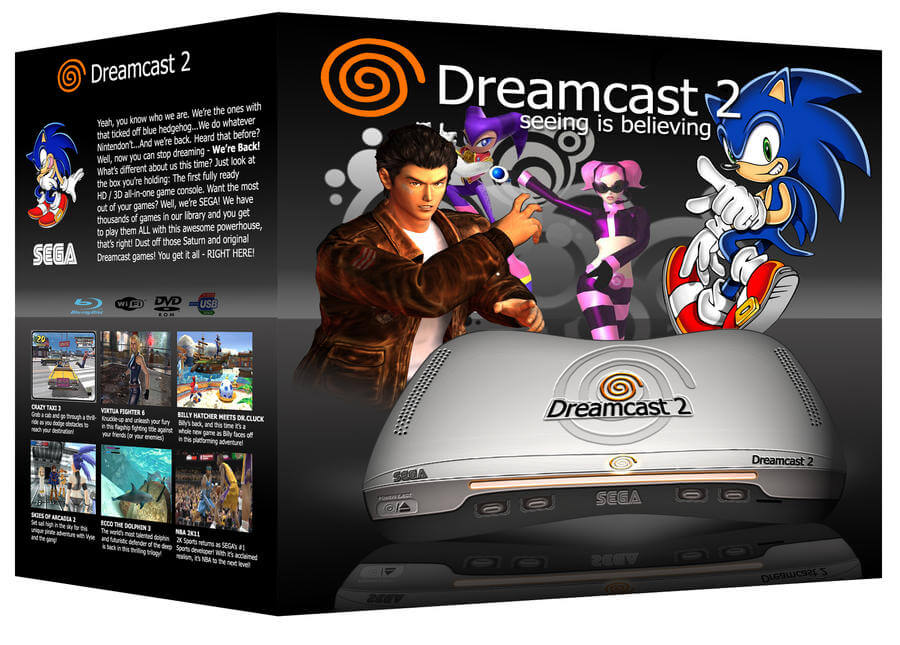
It all starts with a passionate community: SEGA fans, especially those tied to the Sonic universe, imagine a Dreamcast 2. The goal is straightforward: turn a simple daydream into something more tangible, with ideas, visuals, and design elements.
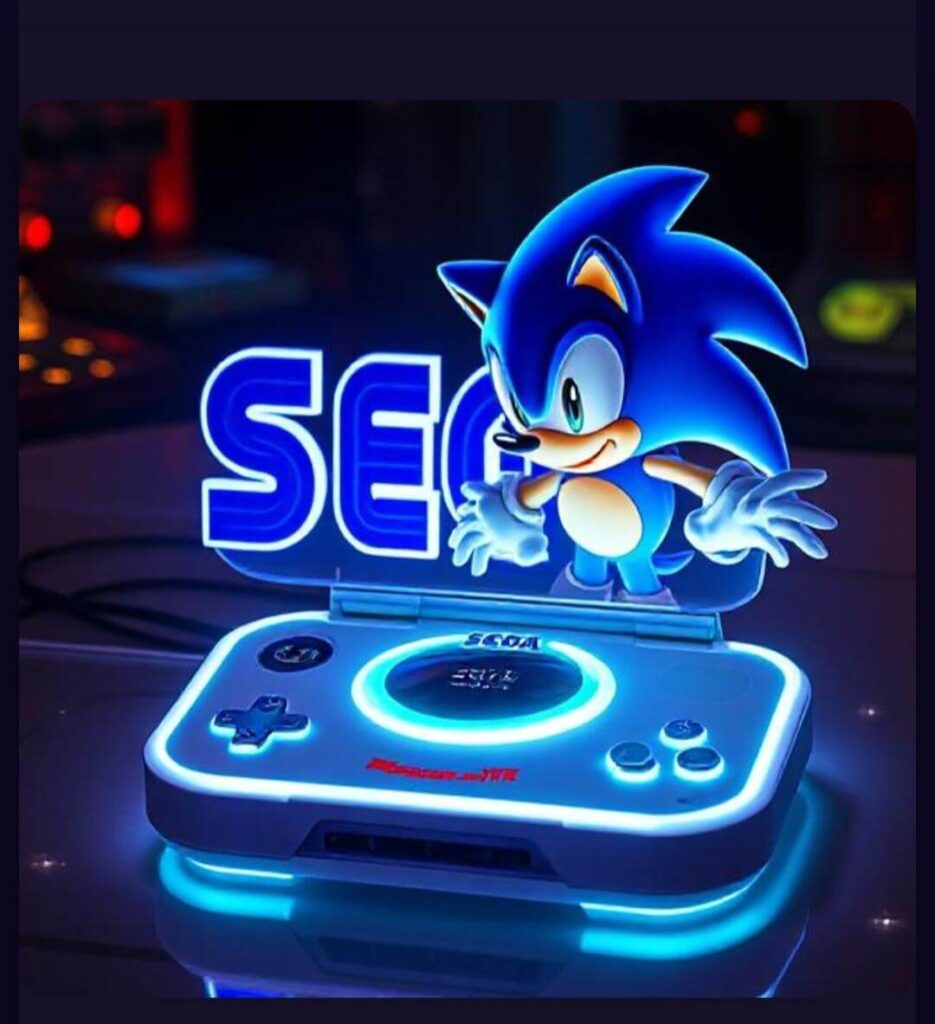
A message of hope: a SEGA representative would be checking in :
According to the information shared, a SEGA representative reportedly said the project could be reviewed when the team is ready. This detail matters: it gives an “official” angle to a project that originally began as a fan initiative.
Why this news is so surprising :
SEGA hasn’t had the habit, for years, of launching new home consoles. The company has mainly focused on other areas (games, licenses, platforms, etc.). A Dreamcast 2 therefore seems unlikely—but not impossible—provided there’s a real production plan.
The biggest challenge: winning with games, not just with hardware :
A console isn’t only about its design or supposed power. The core of the matter is the lineup. For a Dreamcast 2 to truly attract players, it would need:
- Exclusive games, or at least titles that actually sell
- Realistic support from developers
- A brand identity aligned with SEGA’s DNA (arcade energy, speed, the “feel,” and key licenses)
Without that, the console would risk becoming a retro-gaming fantasy—quickly overshadowed by current competition.
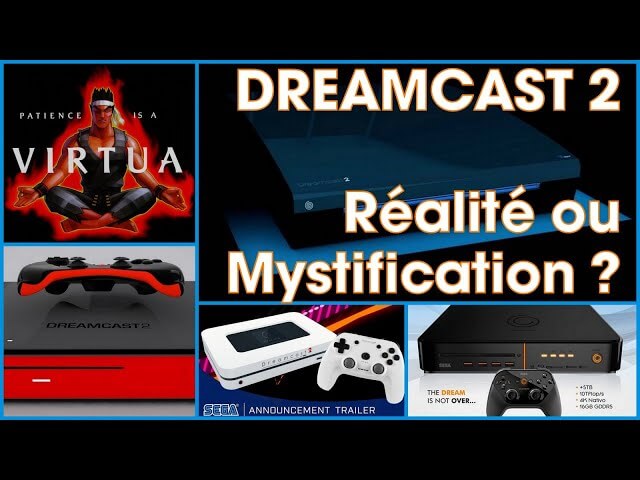
The role of visuals and prototypes: building a credible “package” :
Community projects can move quickly when they organize. Fans generally need to turn their vision into something presentable, for example:
- Mockups and concept art
- Hardware/architecture logic (without necessarily being a final model)
- Inspiration for system design
- Ideas for the controller and the user interface
The objective is to make the project solid enough that a company would at least consider it seriously—or examine it internally.

Retro gaming: the excitement is real, but so are the limits :
Retro gaming has momentum: many players want to relive an era where consoles felt more “experimental” and focused on experience. But a future console must also handle modern constraints:
- Production costs
- Marketing and distribution
- The ecosystem (services, compatibility, controllers, etc.)
- Direct competition (PC, current consoles, cloud gaming…)
Even with an impressive prototype, the path to a mainstream release is still long.
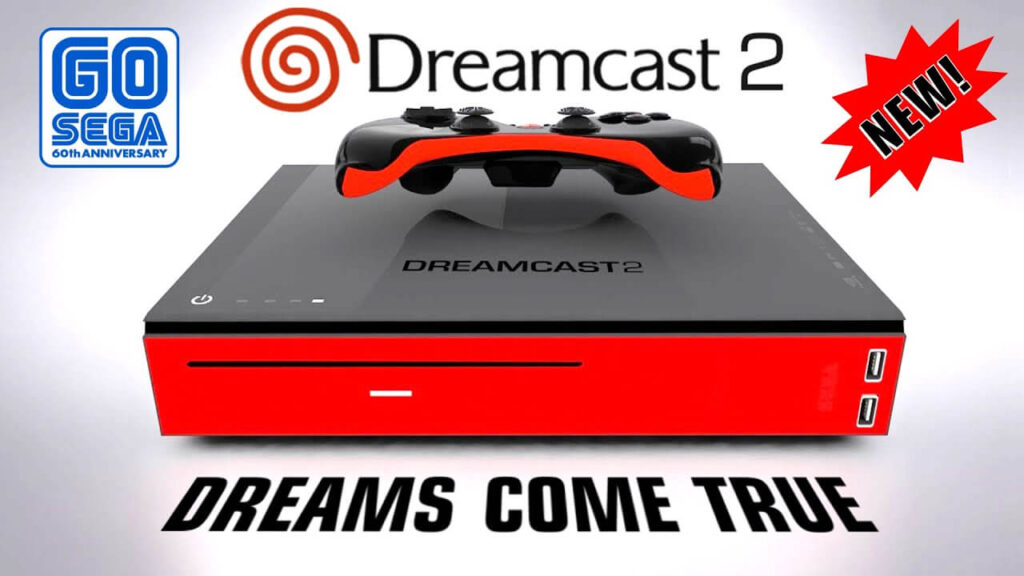
What would a real Dreamcast 2 need to become reality ?
To move from concept to actual product, at minimum you’d need:
- A clear partnership (or an internal decision at SEGA)
- A realistic timeline (production, testing, launch)
- Credible game announcements before and/or alongside the console reveal
- A strategy to avoid launching an “isolated” platform
This is usually where fan-started projects run into harsh industrial realities.
Petition Closed at 57 072 signatory in the website Change.org
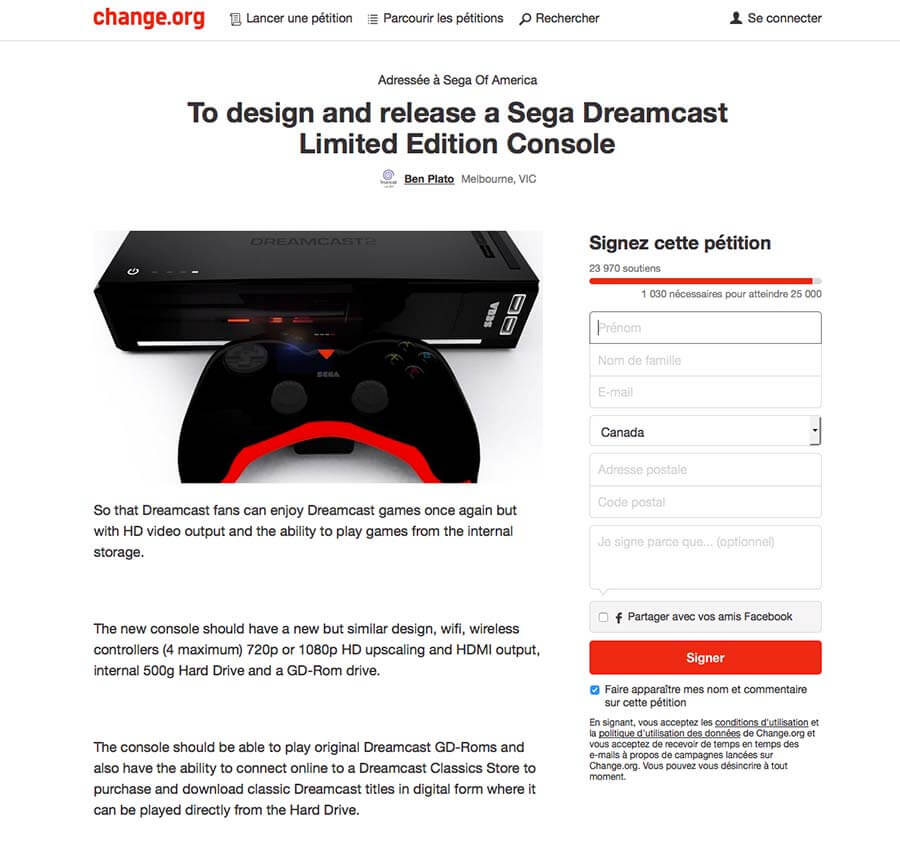
Why this topic hits so hard with the community :
Because Dreamcast 2 is more than a console: it’s a symbol of a past era. SEGA left a lasting mark on players with its games, characters, and style. The idea that a new machine could bring back that spirit is enough to spark discussions, creativity, and hope.
External links (sources & context) :
- Source:jeuxvideo.com — La Dreamcast 2 sera bientôt présentée à SEGA: ([jeuxvideo.com])
- SEGA (official site)
- Encyclopedia (Dreamcast context)
- Change.org
SEGA Dreamcast 2 – ProjectDream [trailer]